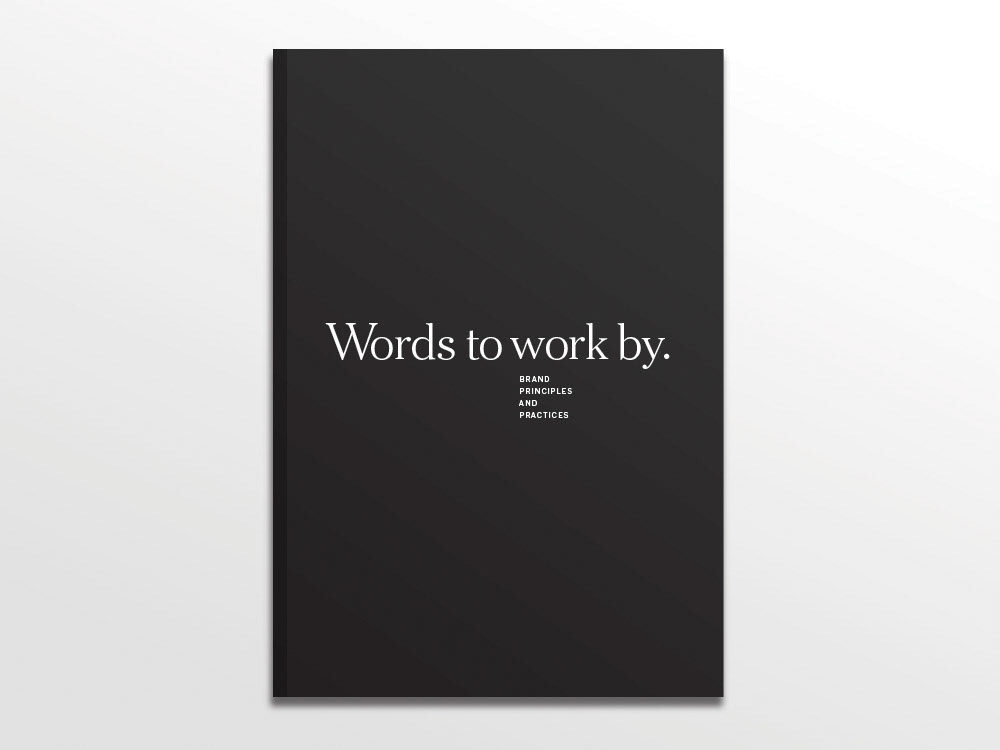
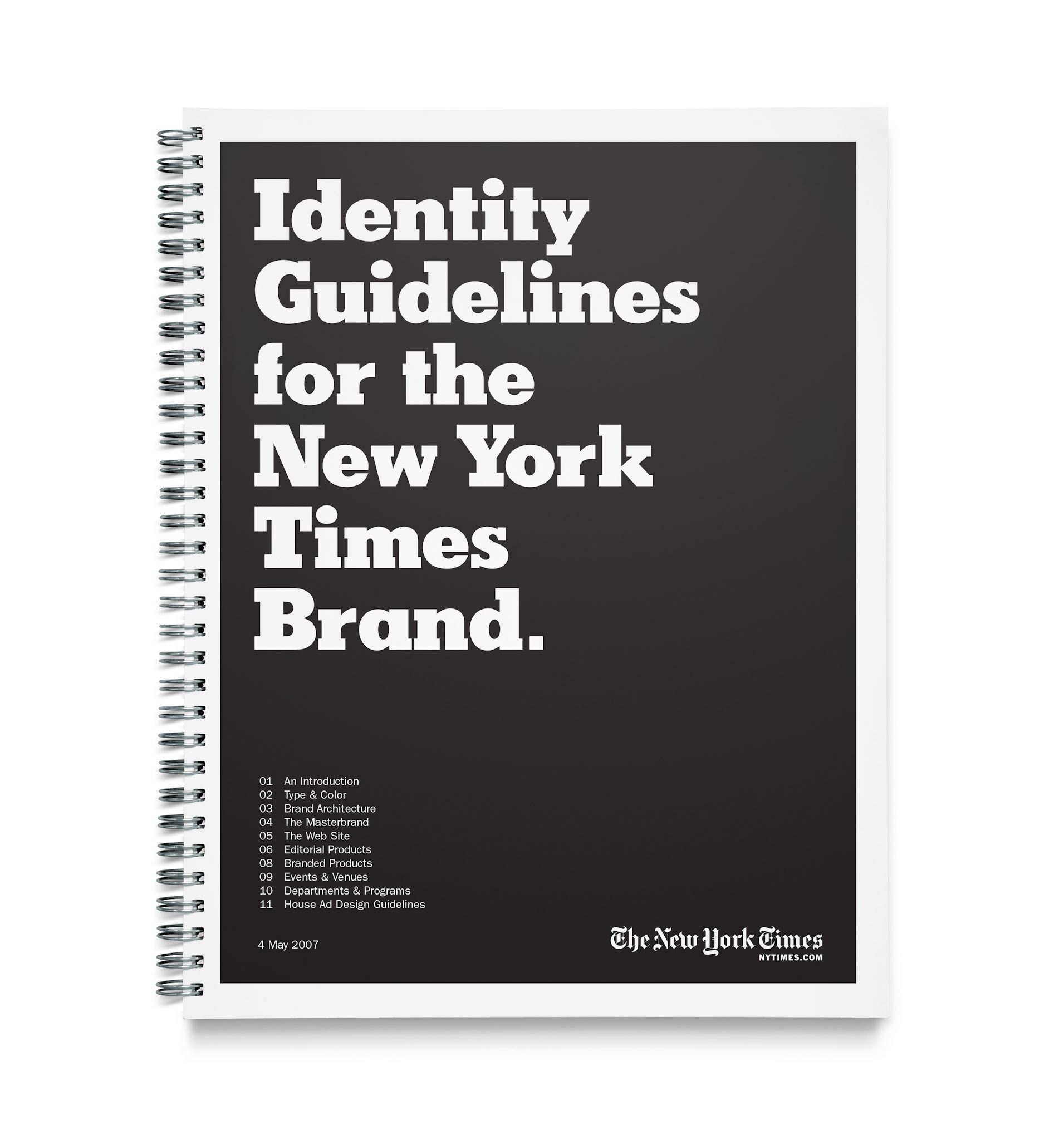
Since 1851, The New York Times manifested its brand through a meticulously controlled product, a daily printed report. Through the past 20 years, I have been with The Times at two different roles, during tides of major changes in media. As a part of the Brand Identity group, our aim was to codify brand standards—a singular reference point informed by the entire organization.

Brand Guidelines
Consistency mattered more than ever, as The Times was evolving through unprecedented growth and expanding the brand through new products and experiences.
With a project of this scale for a legacy brand, success relied on rigorous research and discovery. Knowledge was embedded in people, culture, relationships and physical spaces. The process was truly the heart of this project, and the end product practically bubbled to the surface from its own uncovering.
The brand book launched globally across an internal site and printed books were distributed to every employee via town hall meetings and included with new employee packages. Having a written resource provided a record for everyone to discuss and defend, sharpening the agenda. Unfolding from here, a series of Style Guidelines were created to unpack key principles into methodical detail for assets, products and programs.
A small cross-disciplinary working group brought this project to fruition, driven by the joint leadership of David Rubin (CMO), Tom Bodkin (CCO) and Kelly Doe (CD).
Video Identity
As part of my role on the Brand Identity team, we confronted new challenges on how The Times identity presented on video. The video titling system needed to optimize engagement and ensure brand recognition on external platforms. New opportunities were emerging for mobile experiences. With an extremely wide breadth of video content, clear cues had to identify between news, opinion and show series, and long- and short-form formats. We created highly functional typography and graphics that could superimpose on any type of moving image.
This reel captures the process of designing the hierarchy of a system that shed anything superfluous and required absolute precision to support nearly any story line.
Video produced by Aaron Byrd
Projects for The New York Times Store
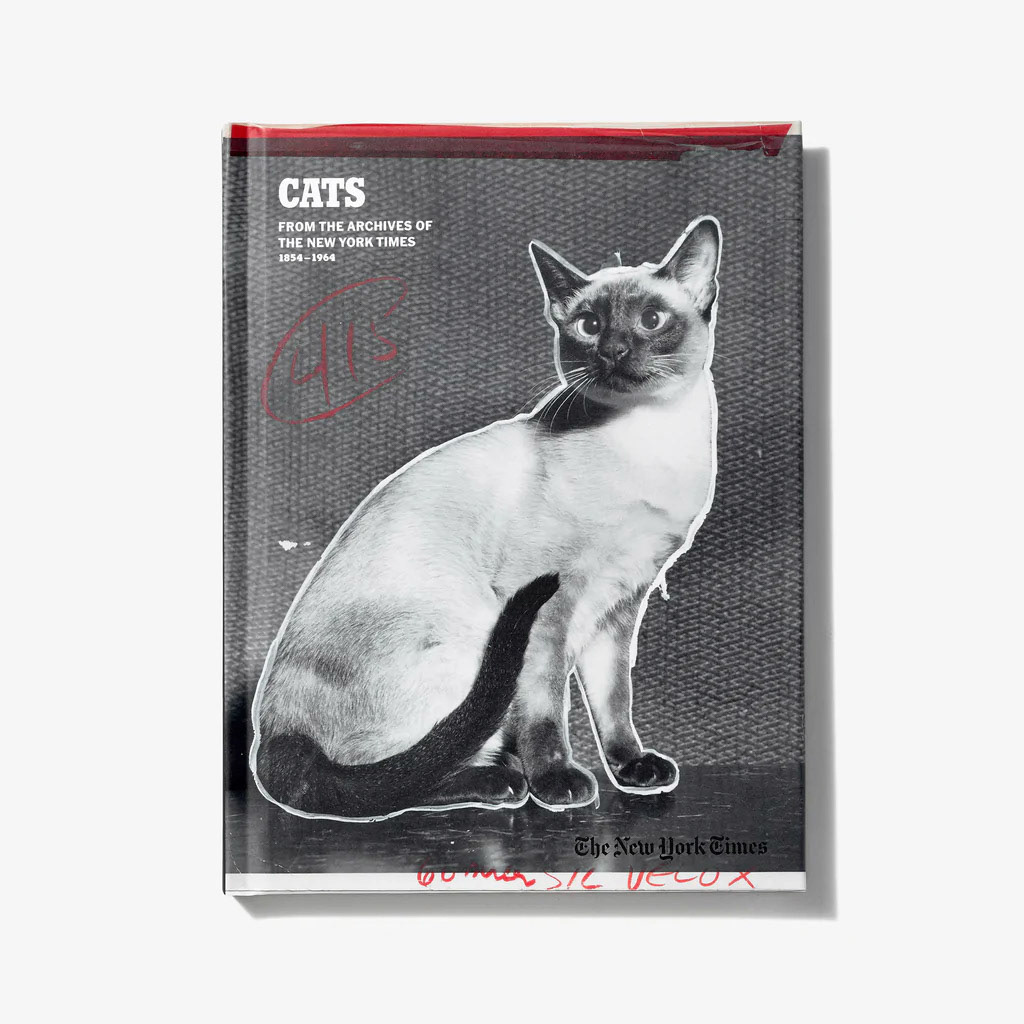
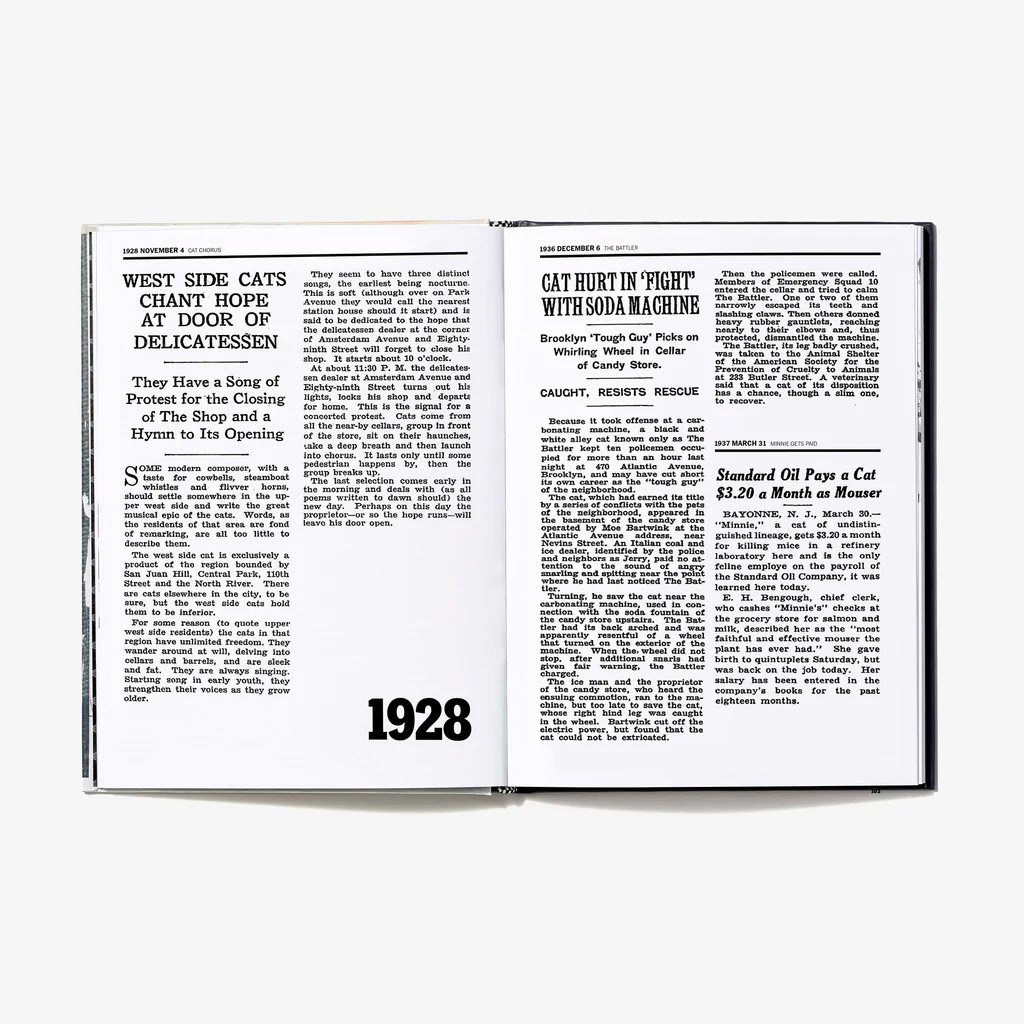
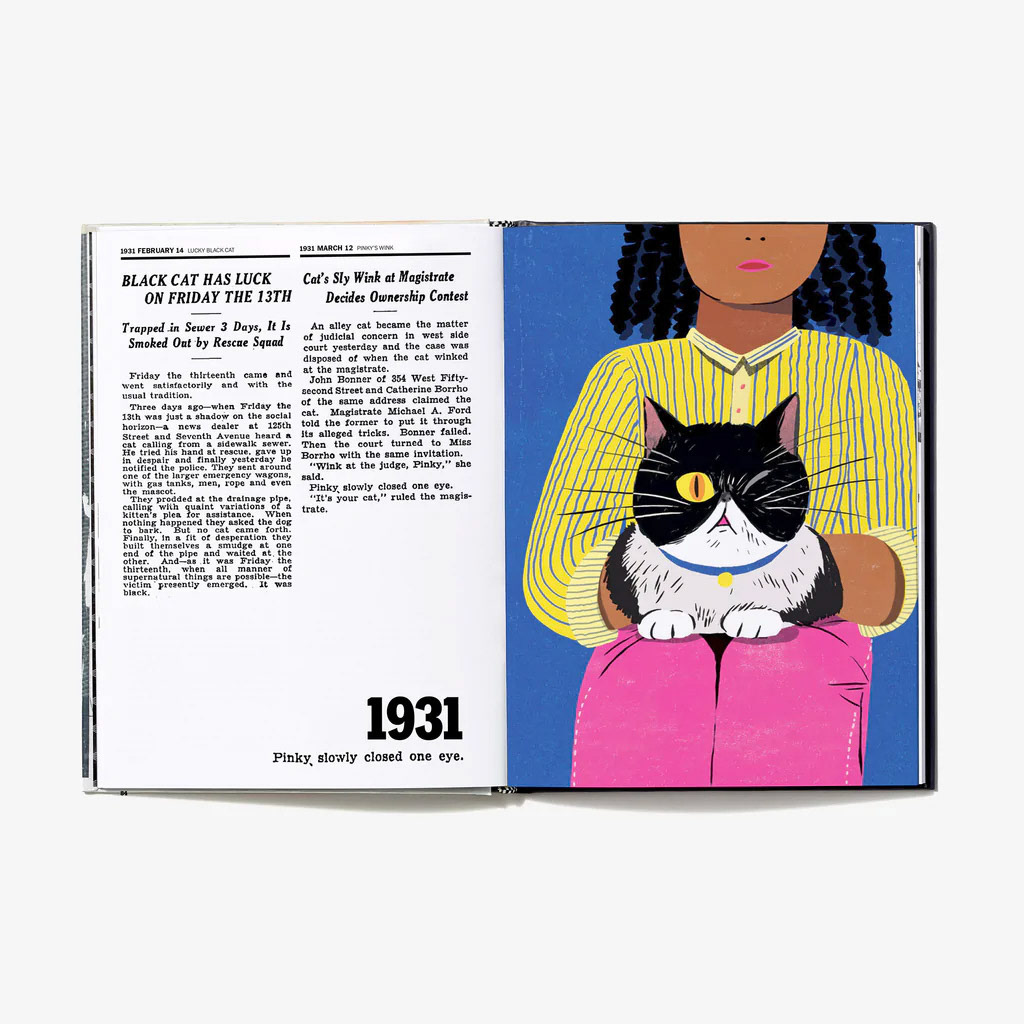
I designed a few special projects in collaboration with The New York Times Store, partnering with Creative Director, Ed Nacional. The first is the book Cats: From the Archives of The New York Times.
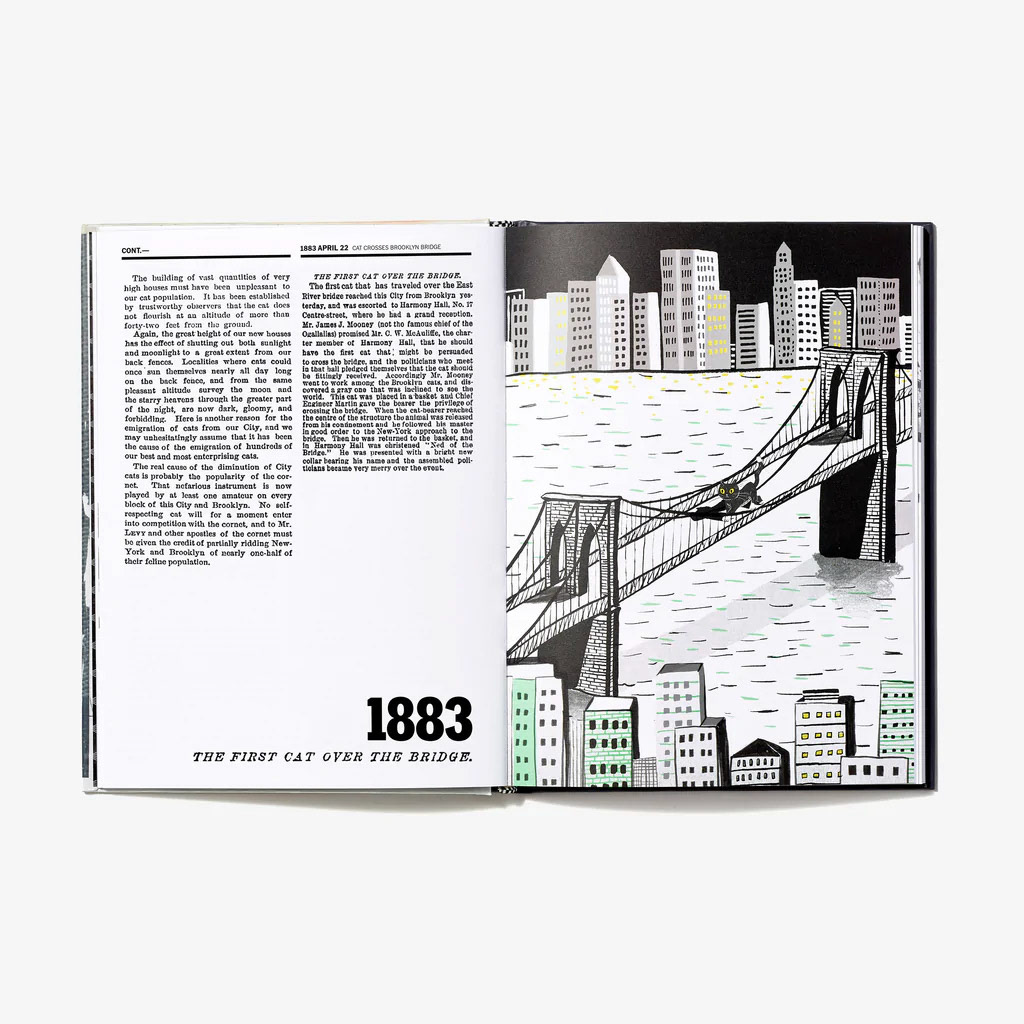
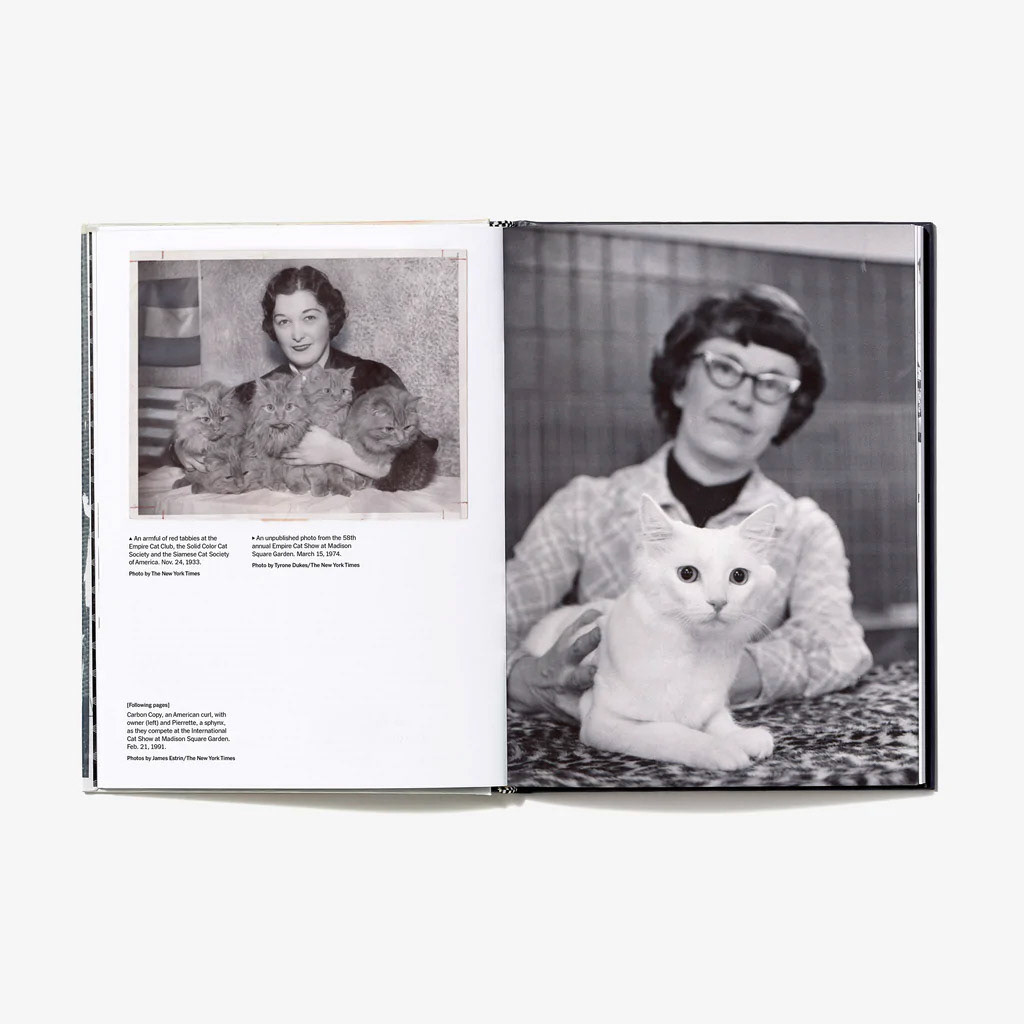
This book is a showcase of archival articles and photography of cats as reported through the years by The New York Times. For this project, I had access to The Times ‘Morgue’ (archives) and created a chronological approach to cats making headlines since the year 1854. When I first saw the archival photo prints, the beauty of the manual edits to the images indicating crops and airbrushing by hand was an art in itself. The book retained those image markings and preserved original typeset articles to retain the historical context. To bring a modern editorial approach, whimsical illustrations by Yeji Yun were commissioned to accompany a few of the stories throughout the book.
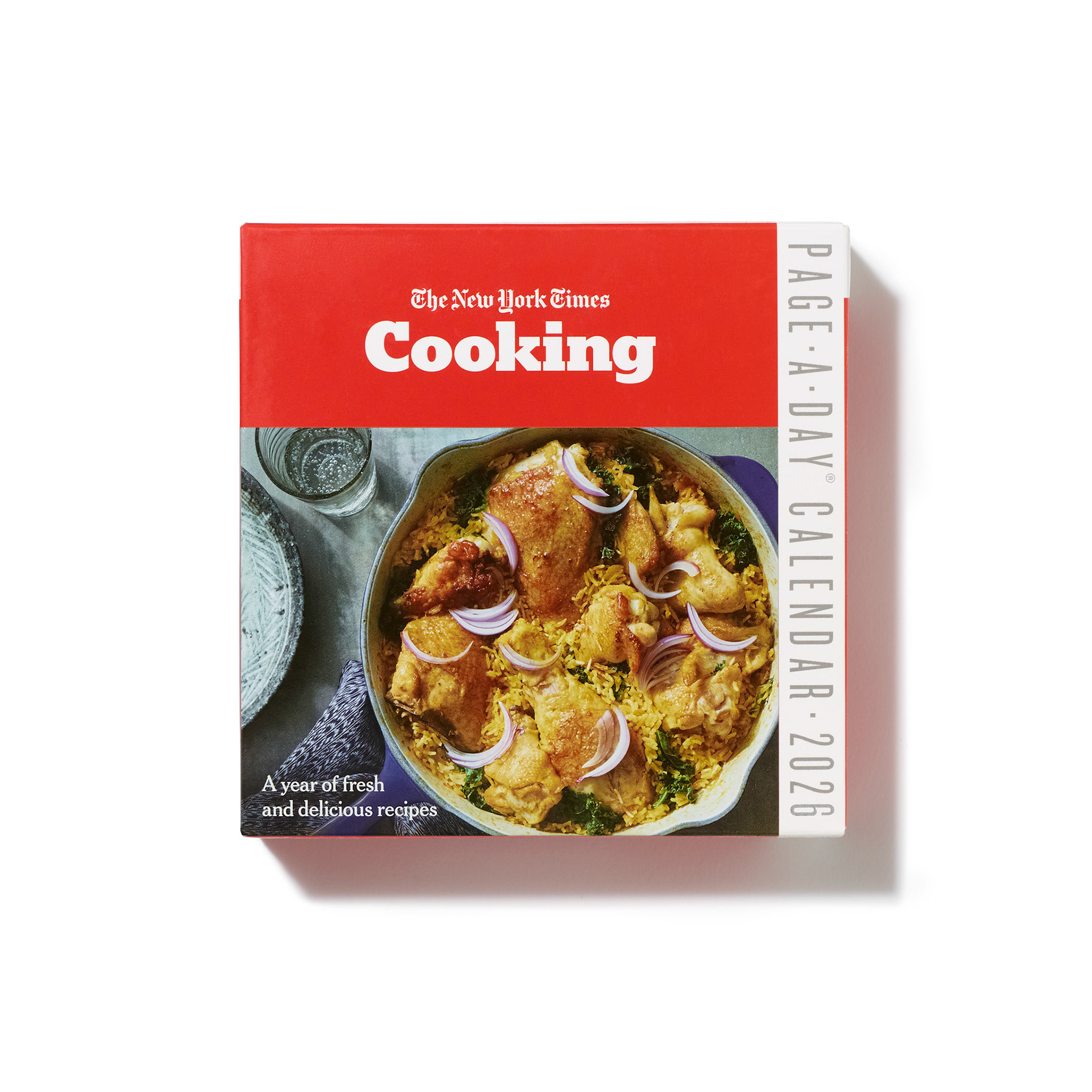
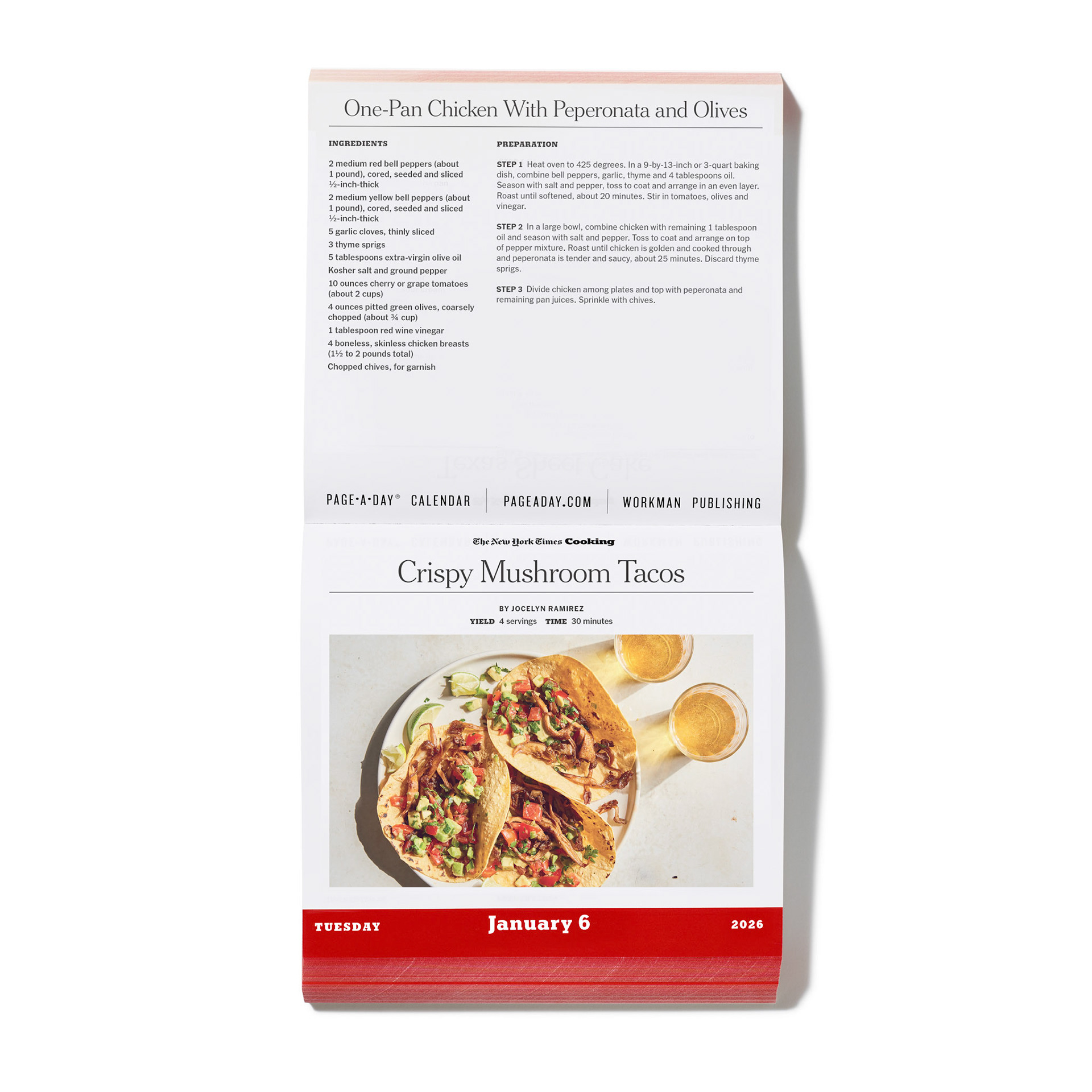
I also got the chance to design these page-a-day calendars. The first draws recipes from Cooking, and the next features reproduced historical headlines in history.
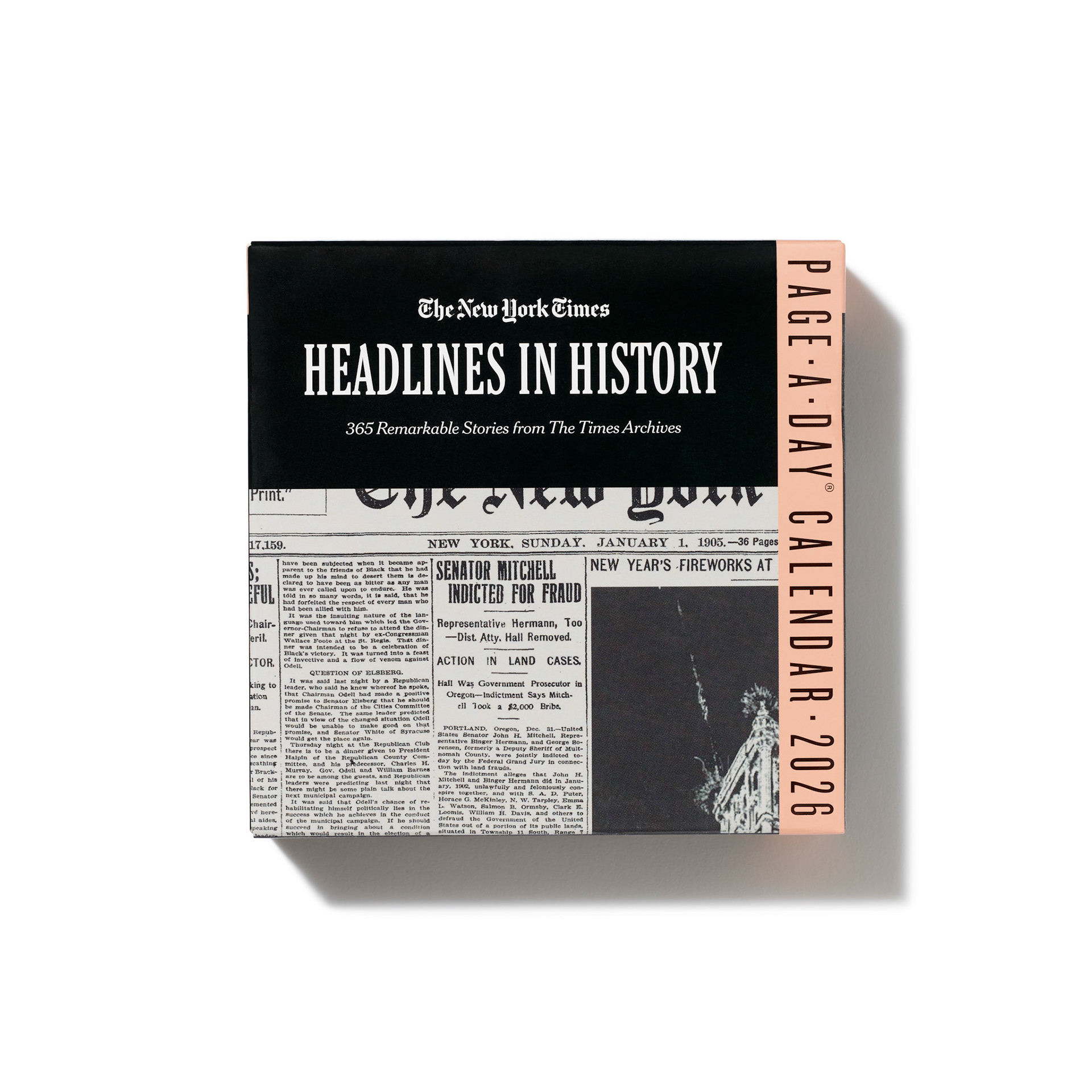
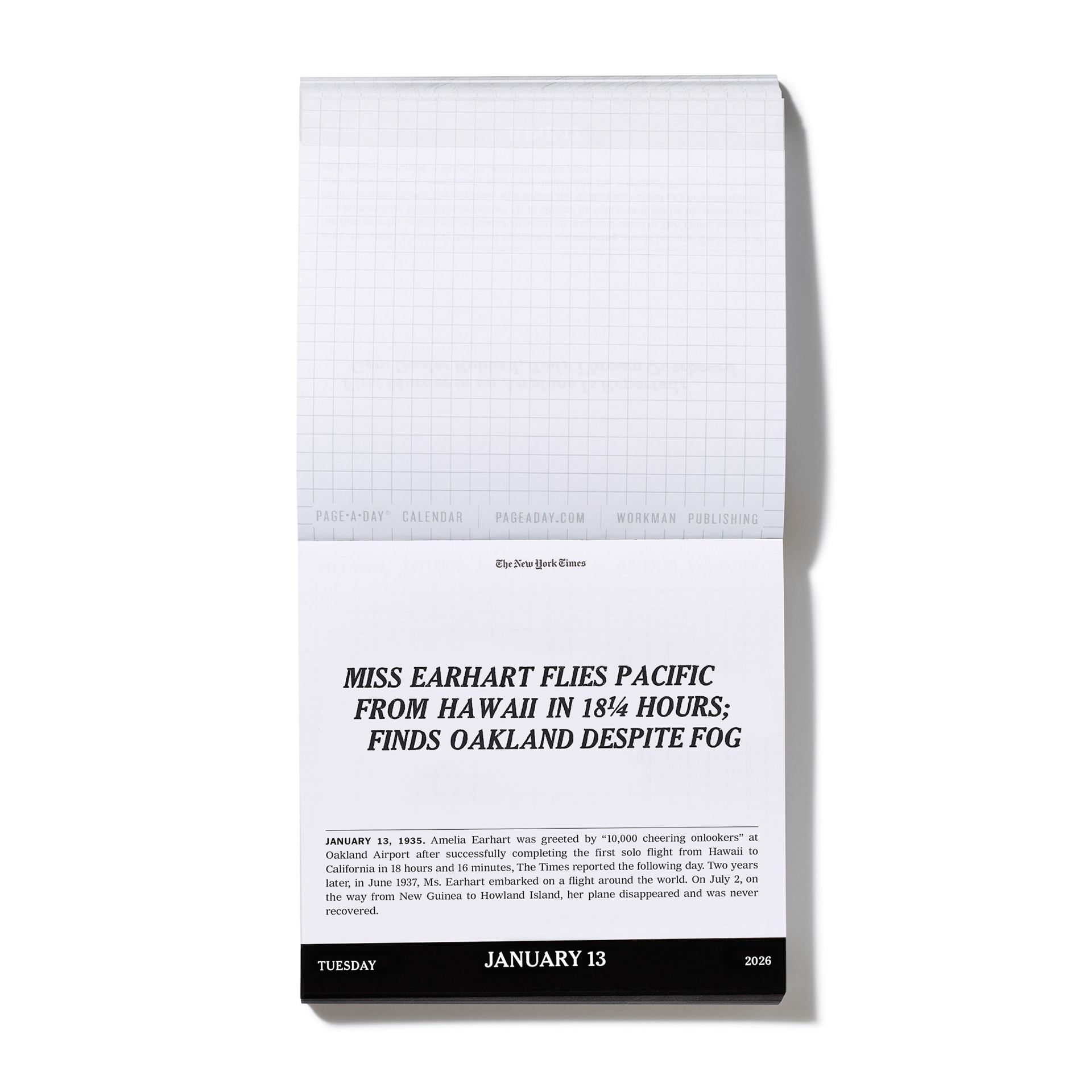
MARKETING
When I started at The Times as Design Director of Marketing in 2006, I quickly understood the need to create identity standards for marketing expressions. I started the research process by auditing everything that carried The Times branding, conducting interviews with departments across the group and creating a map of the brand architecture. The result was a system that brought best practices for the main identity and sub-brands, for use across marketing and advertising.
Collaboration with Brett Traylor at Thinkso
Brand campaign
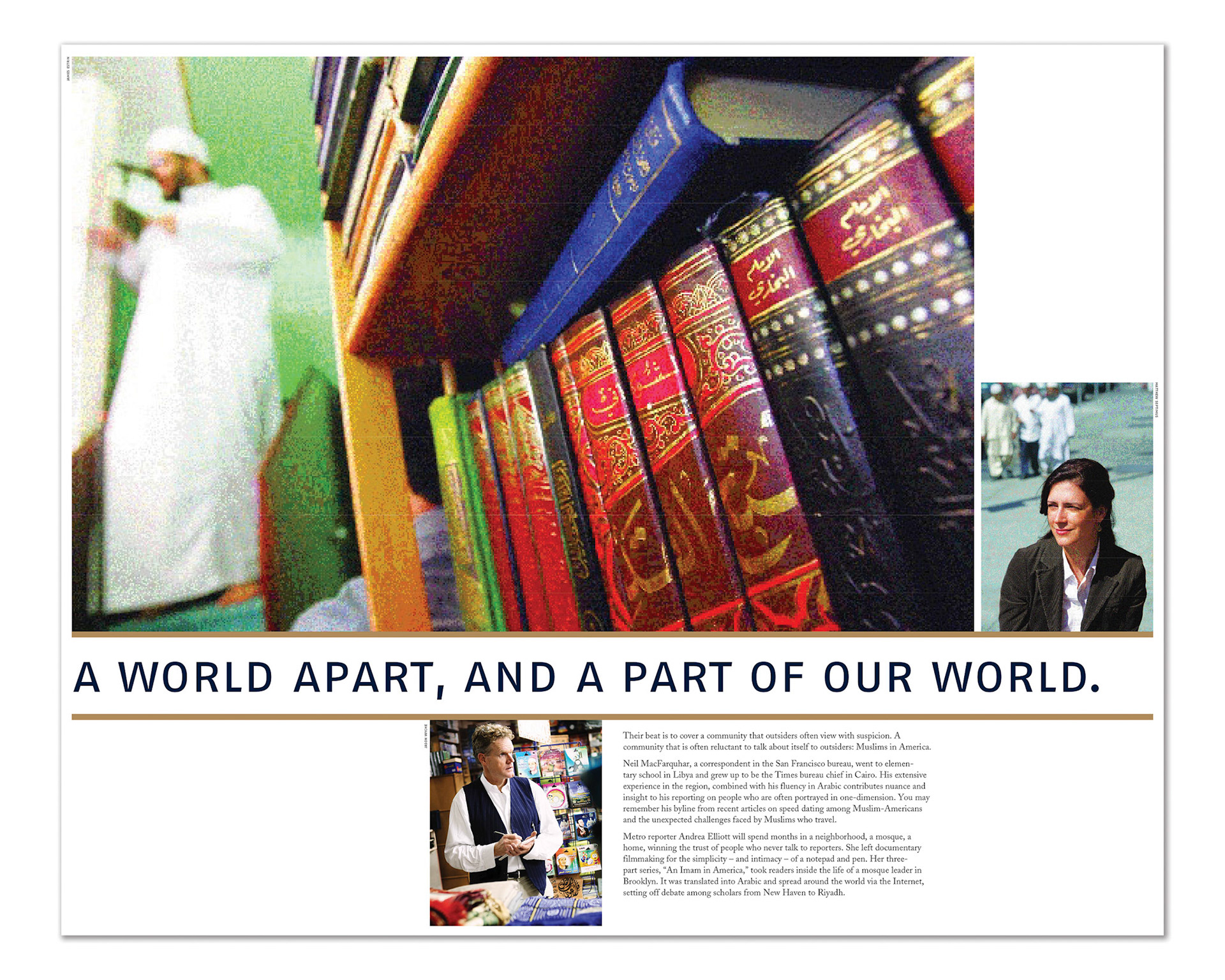
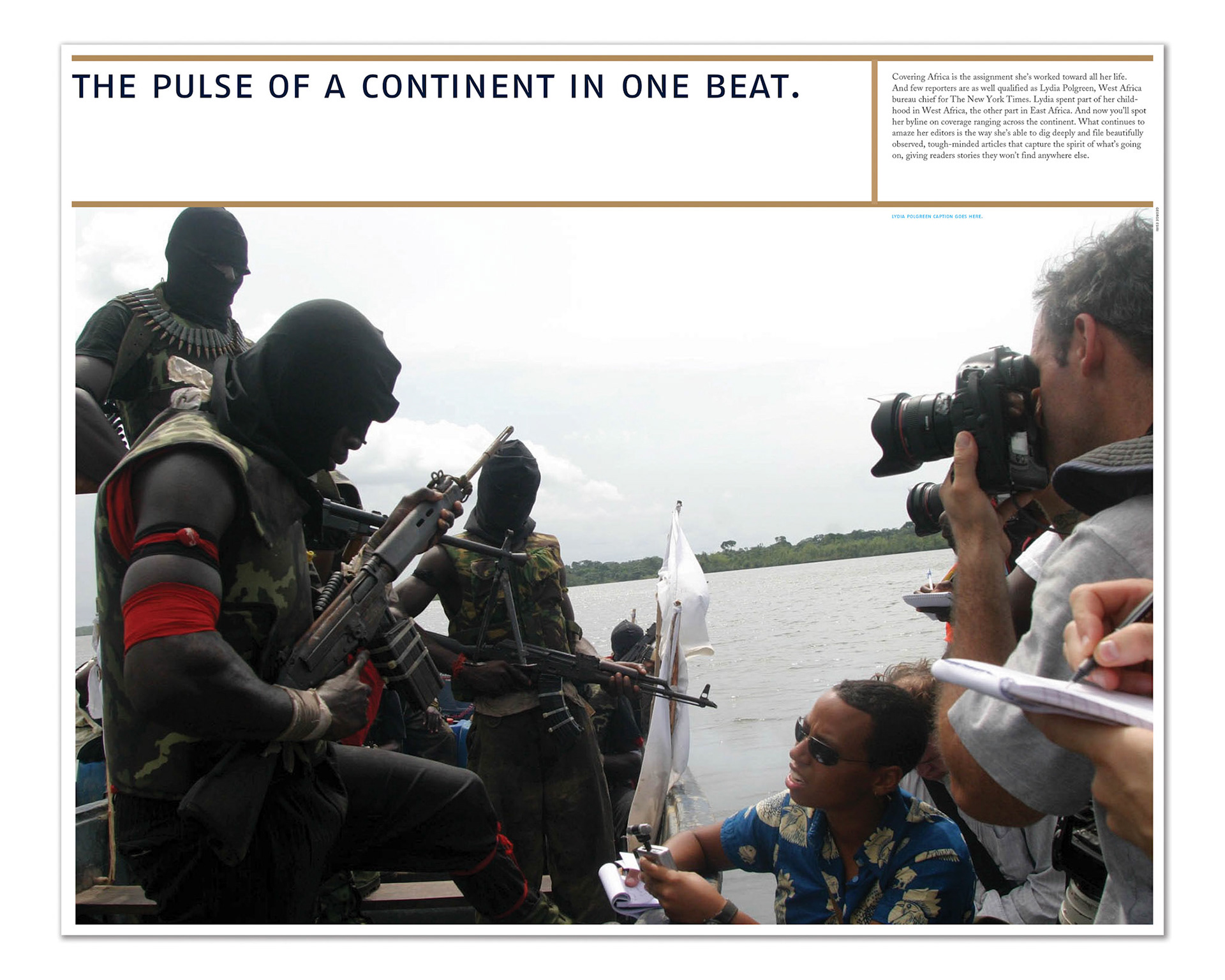
2006 was a precarious moment for media with aggregated feeds and the proliferation of non-traditional news outlets. This campaign turned the camera around on the journalists, editors and contributors, unveiling where the journalism came from when reported by The Times. The campaign appeared as full-page spreads in the printed newspaper and online as video ads, with the ambitious goal of showcasing someone new with each storied ad.

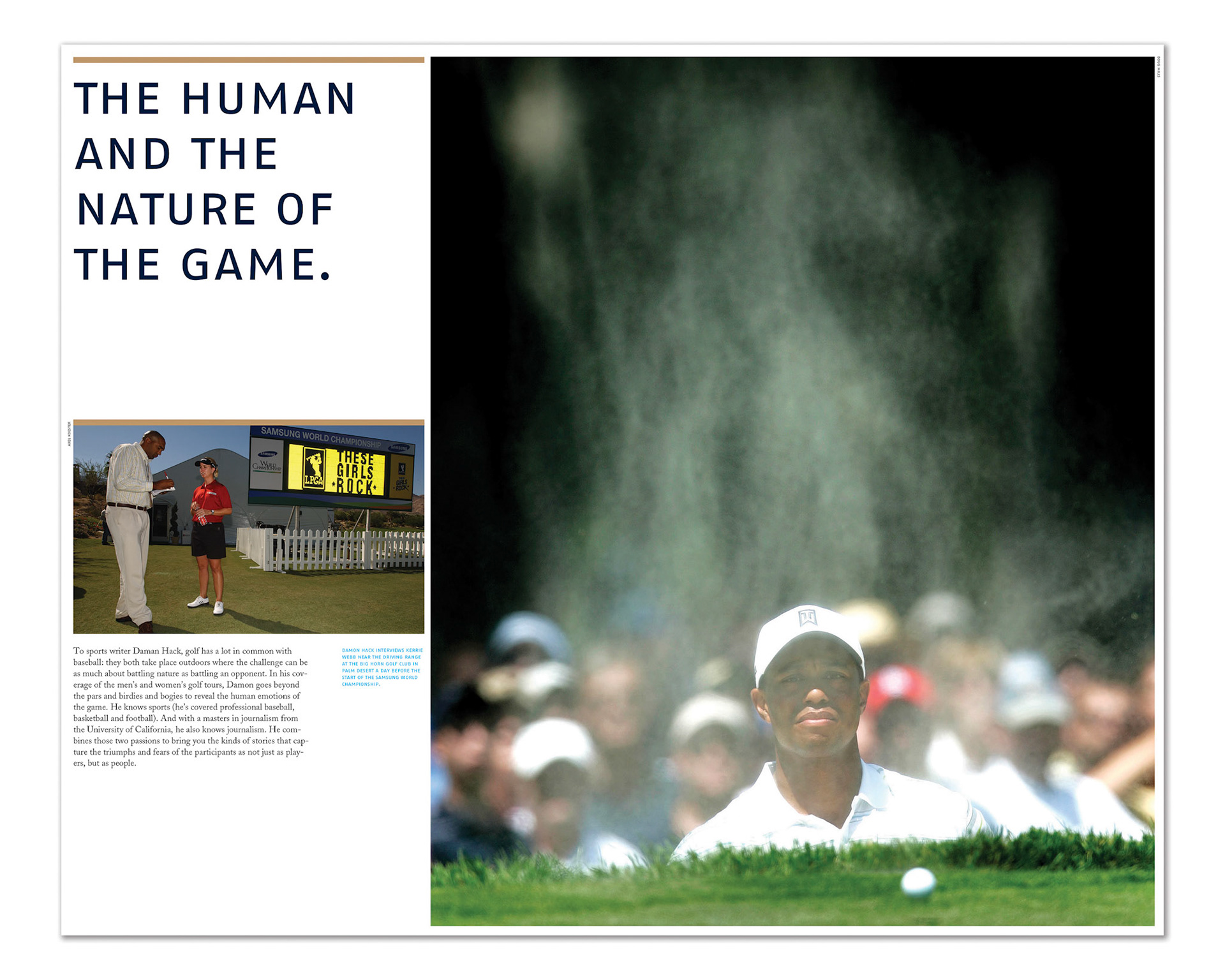
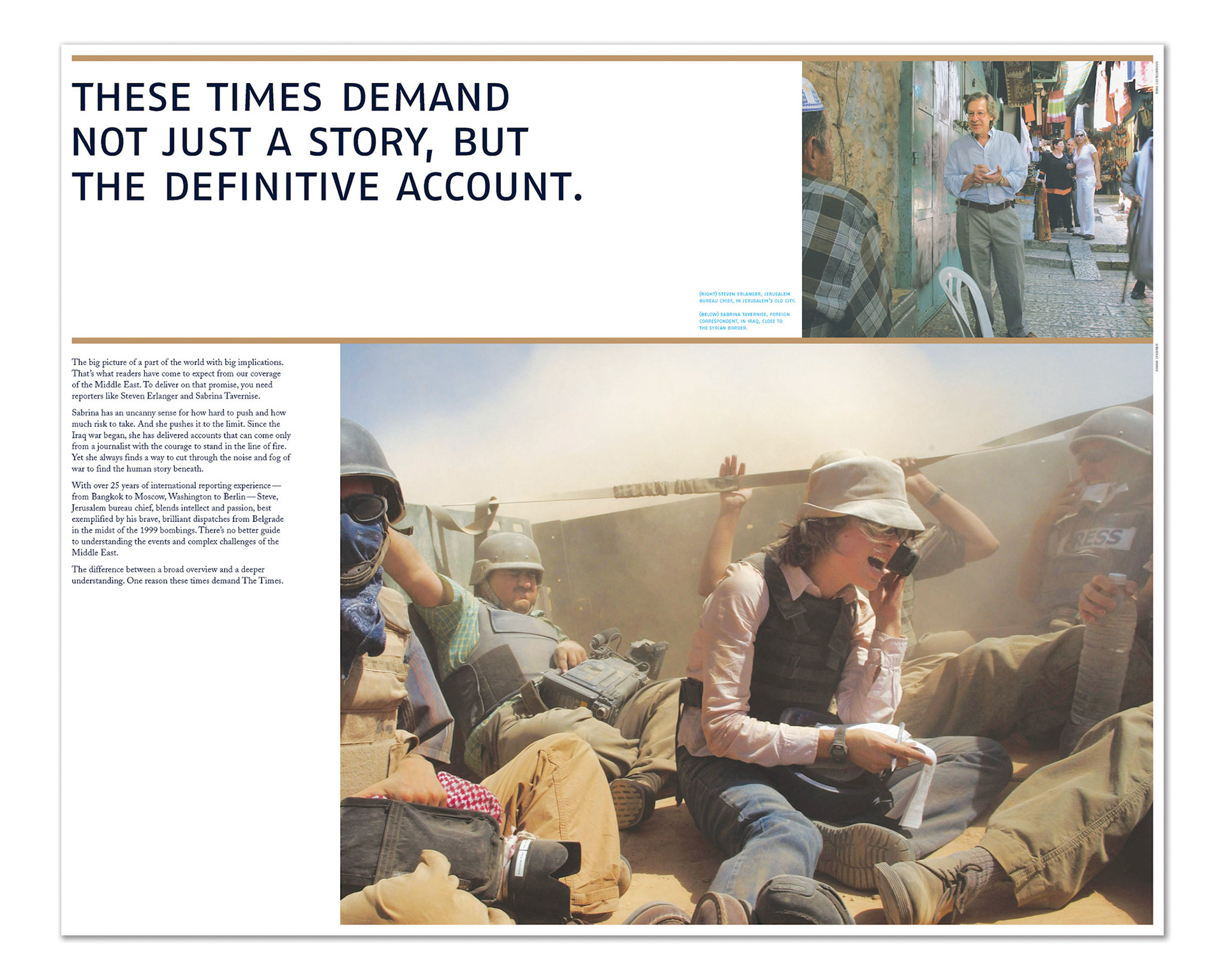
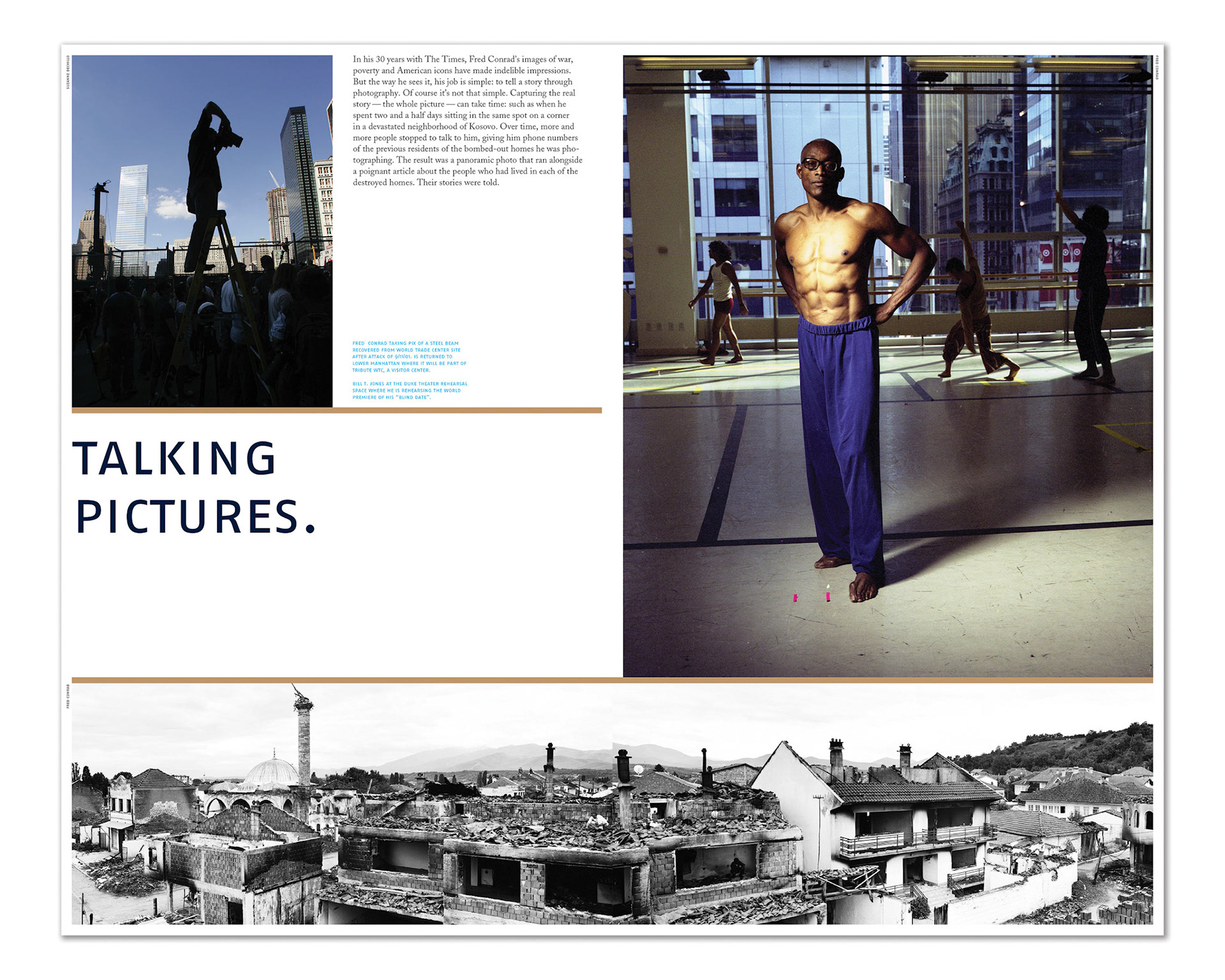
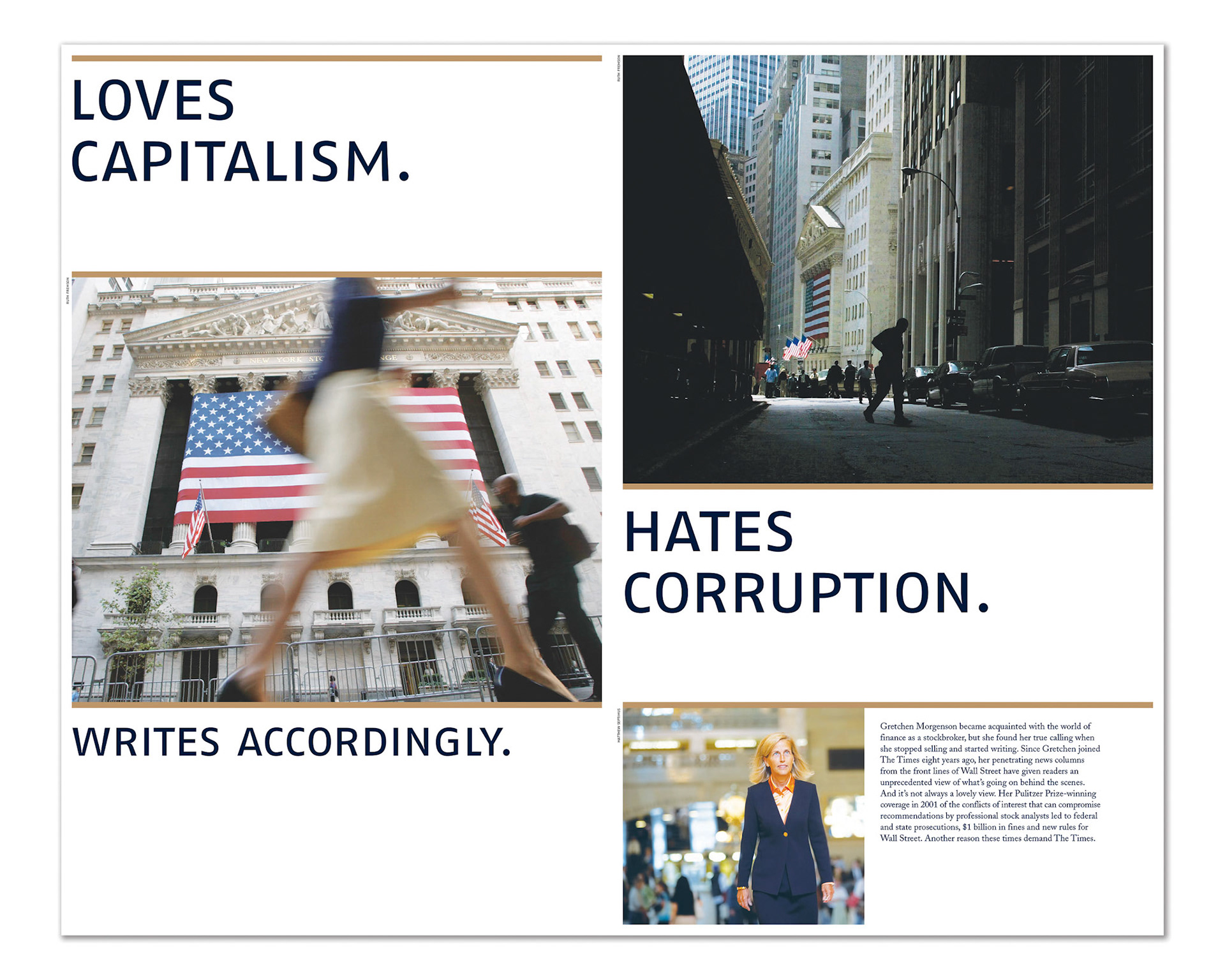
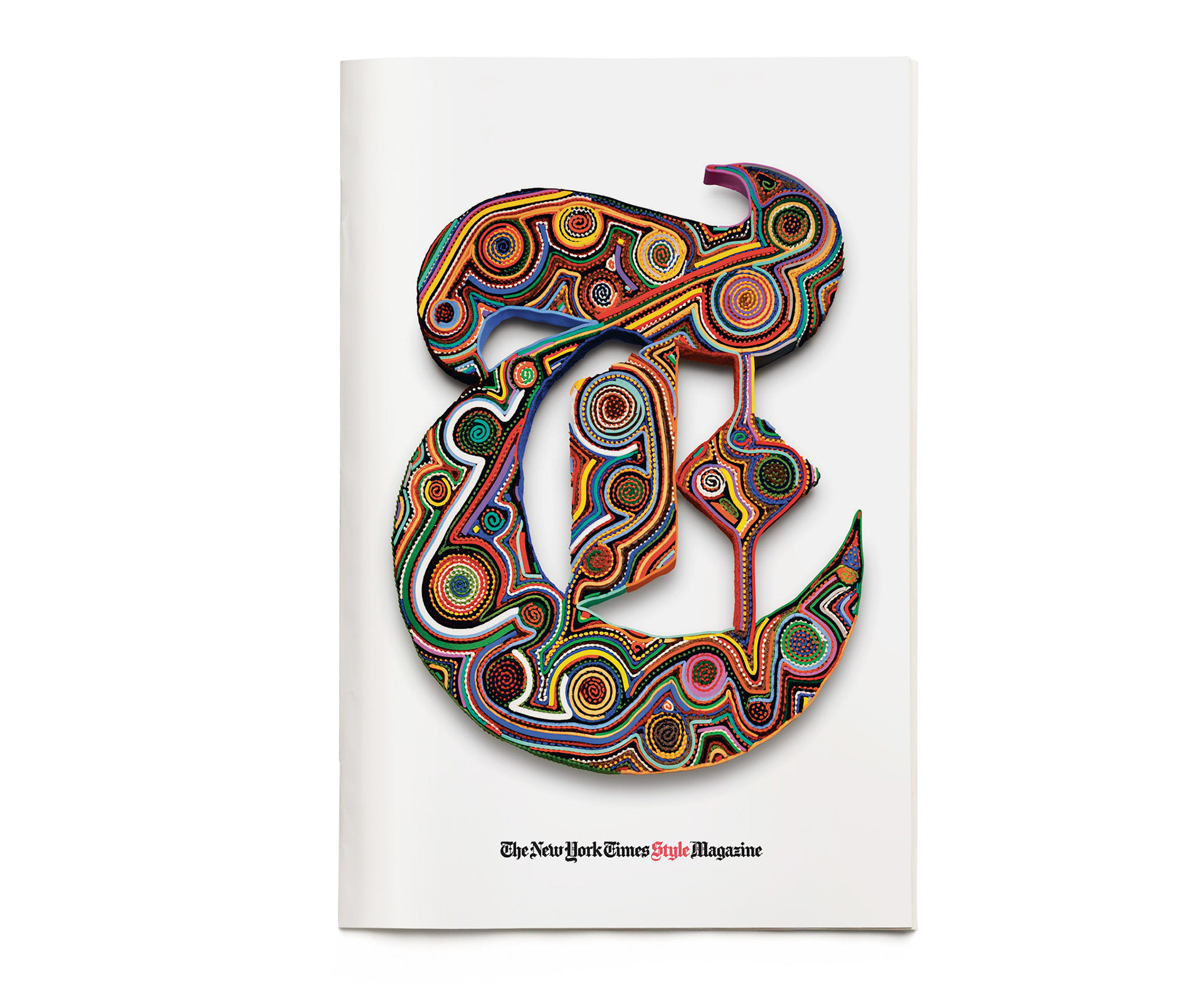
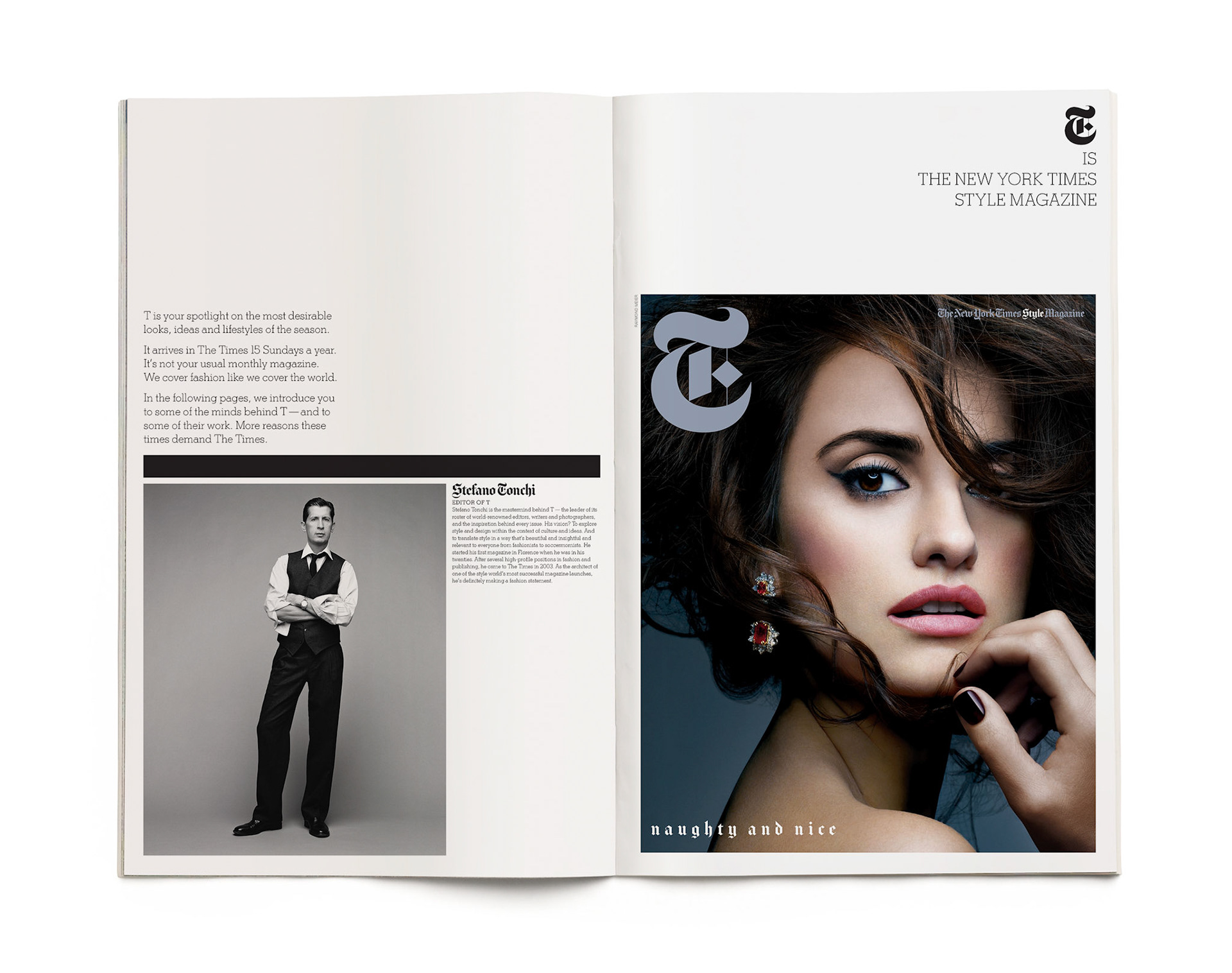
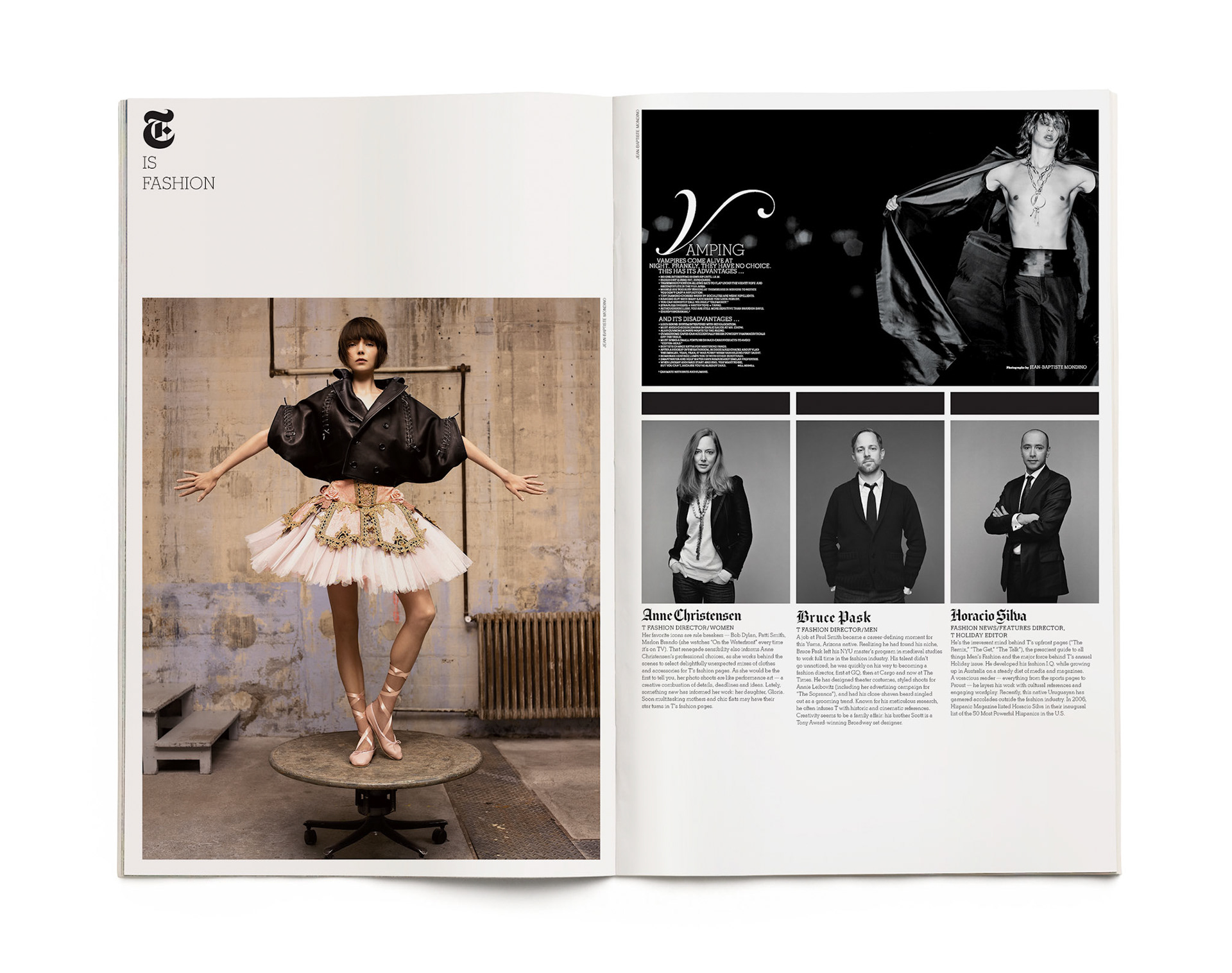
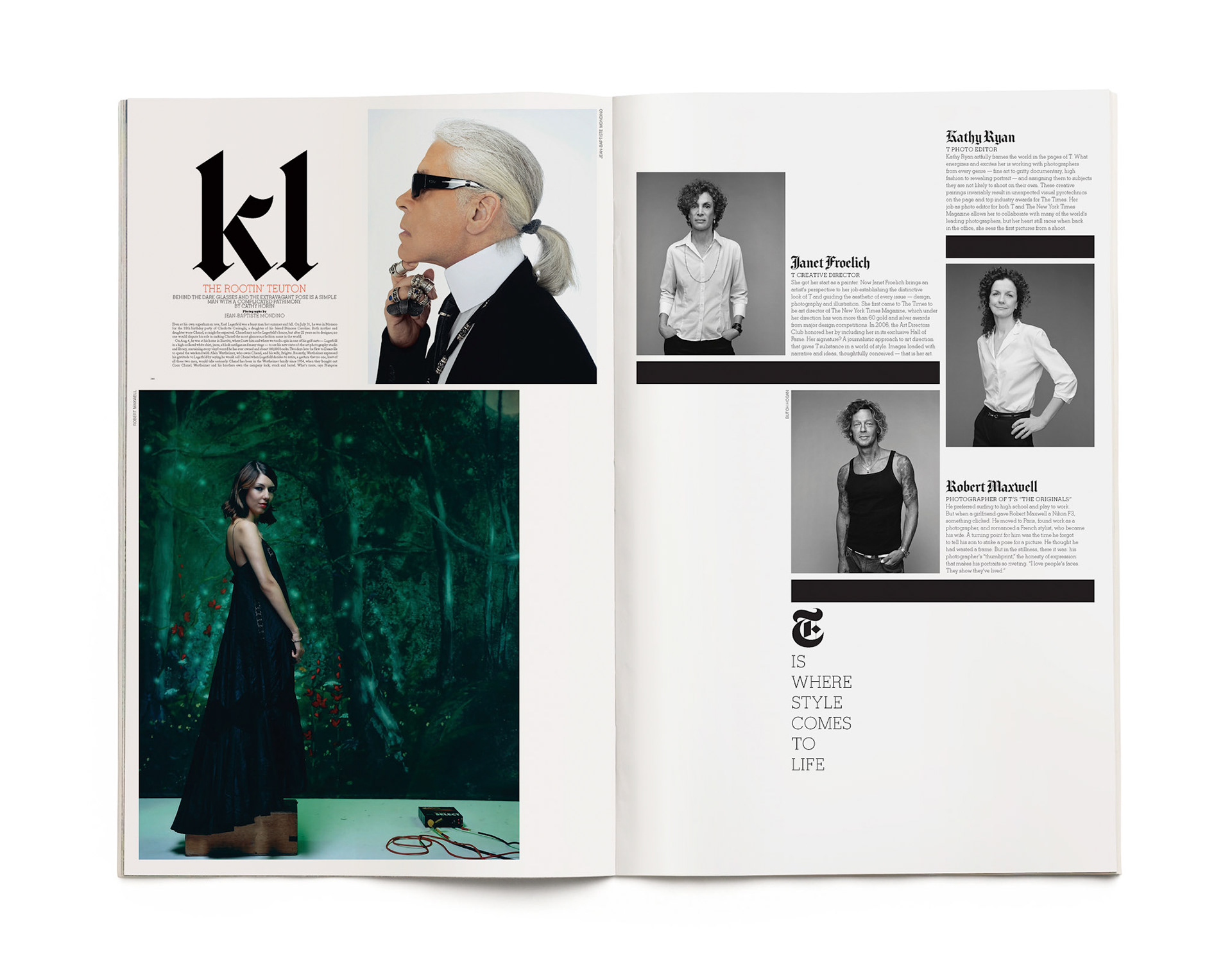
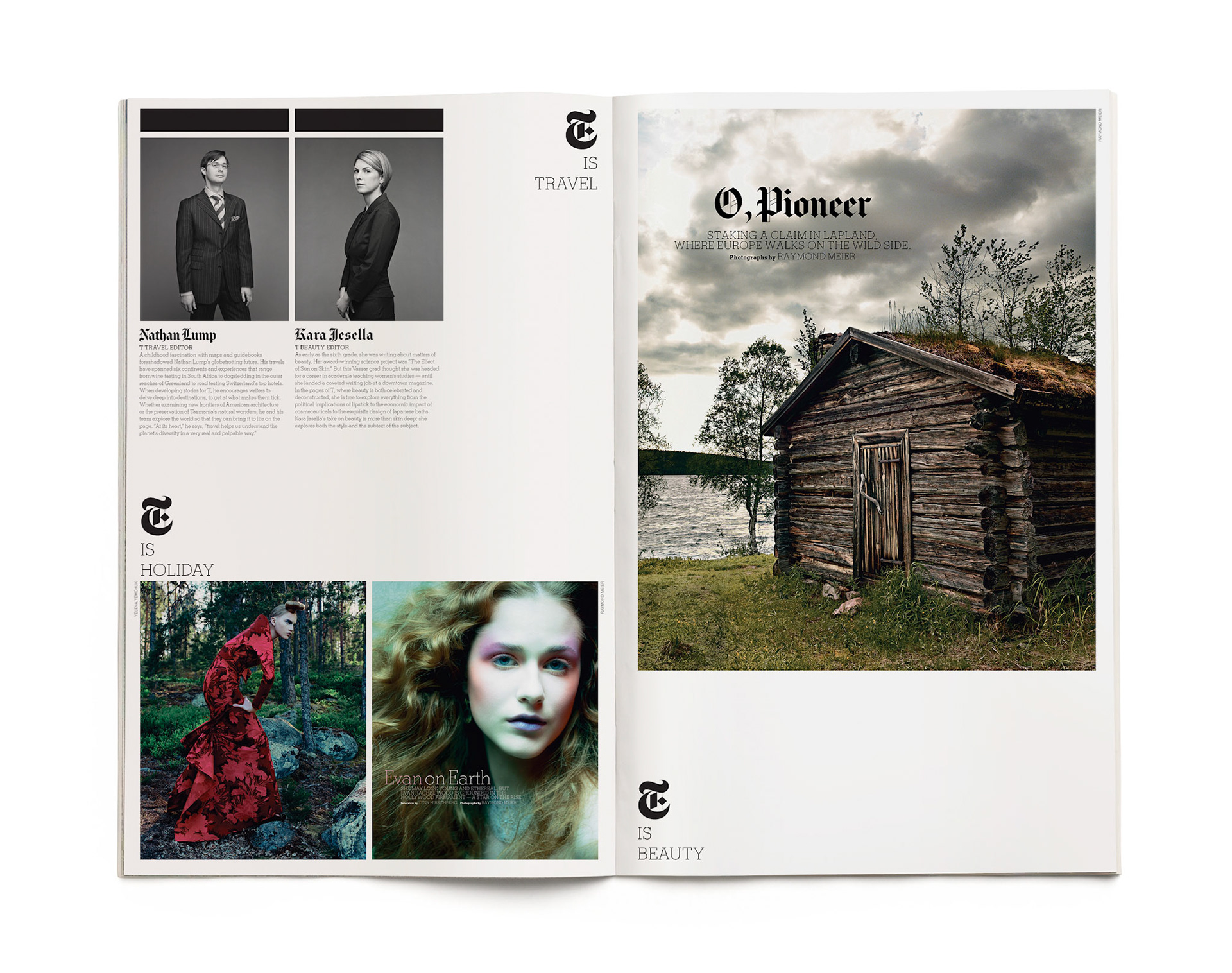
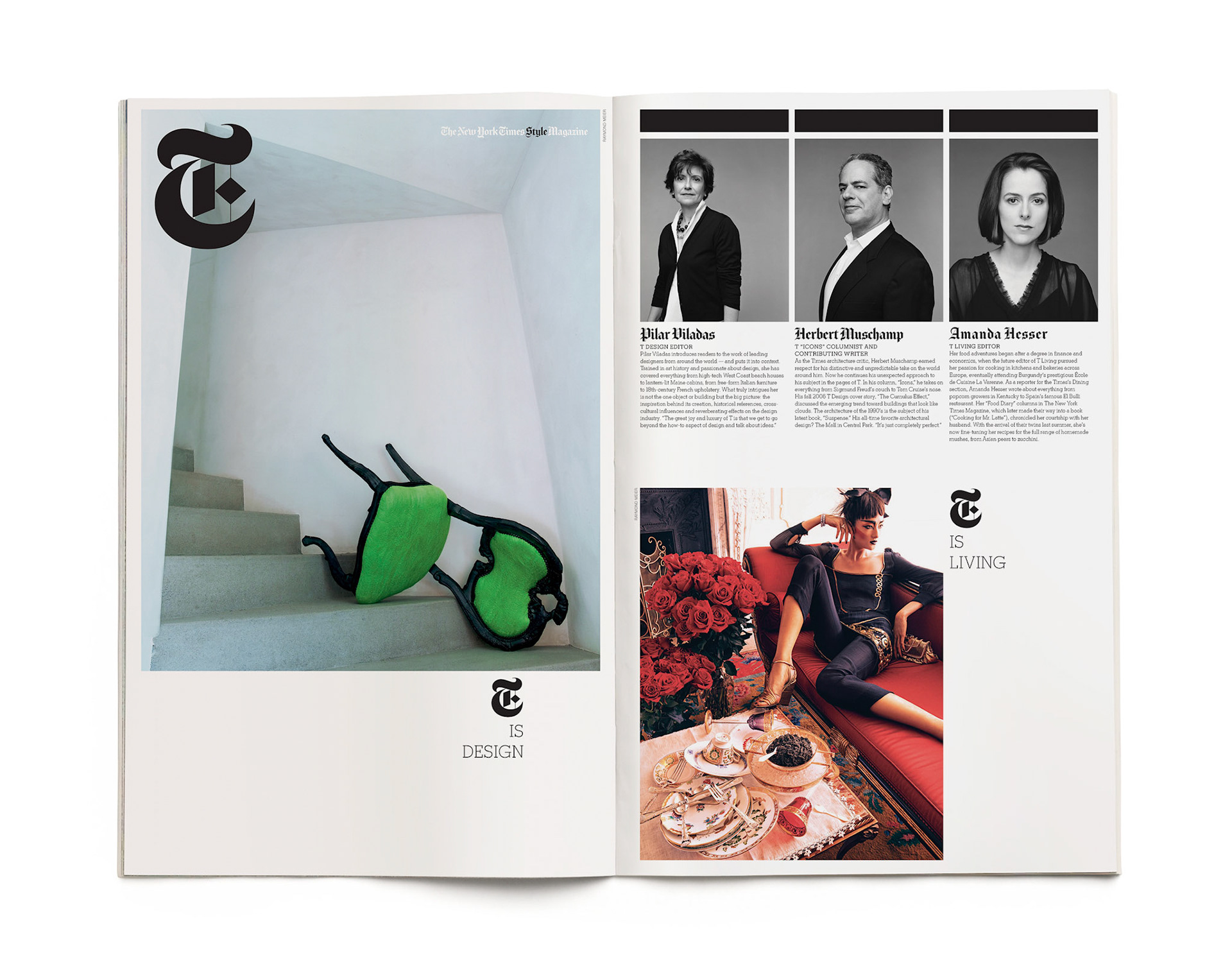
As a companion to the brand campaign, this piece showcased the staff and work of T, The New York Times Style Magazine. It was distributed in the newspaper and used by the internal advertising sales team. Staff portraits were photographed by Robert Maxwell.
On to Sesame Workshop >